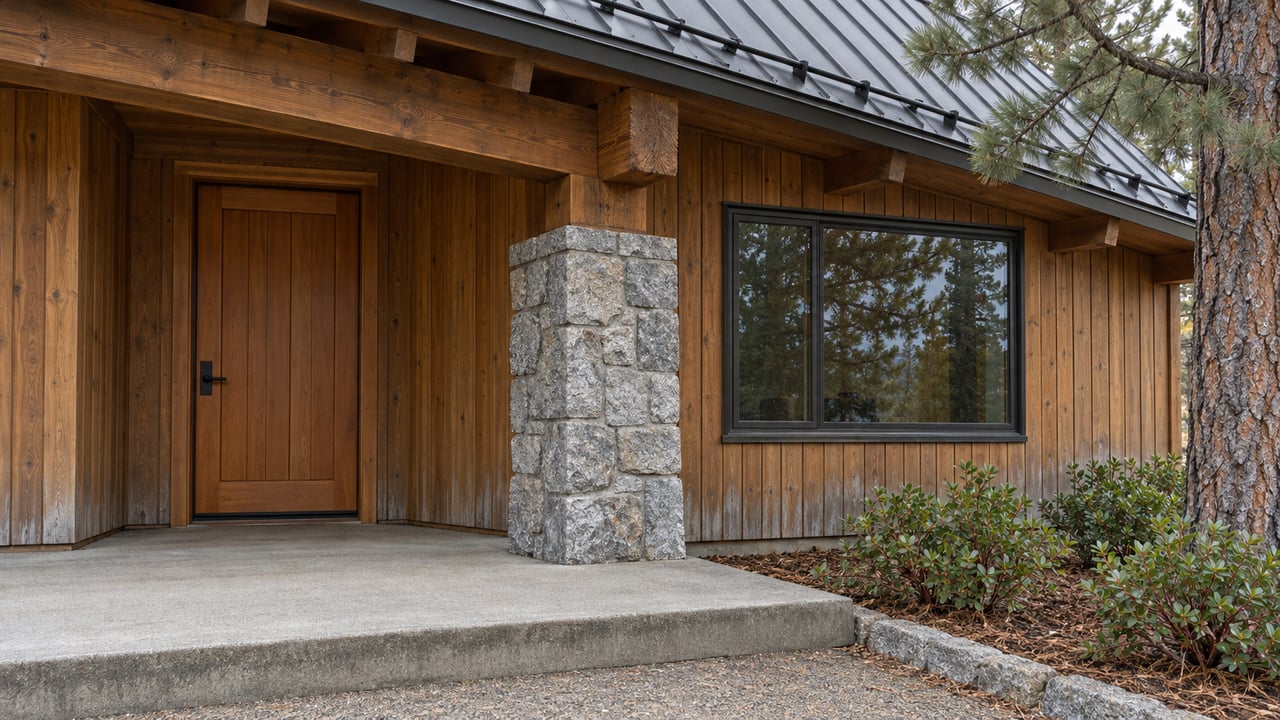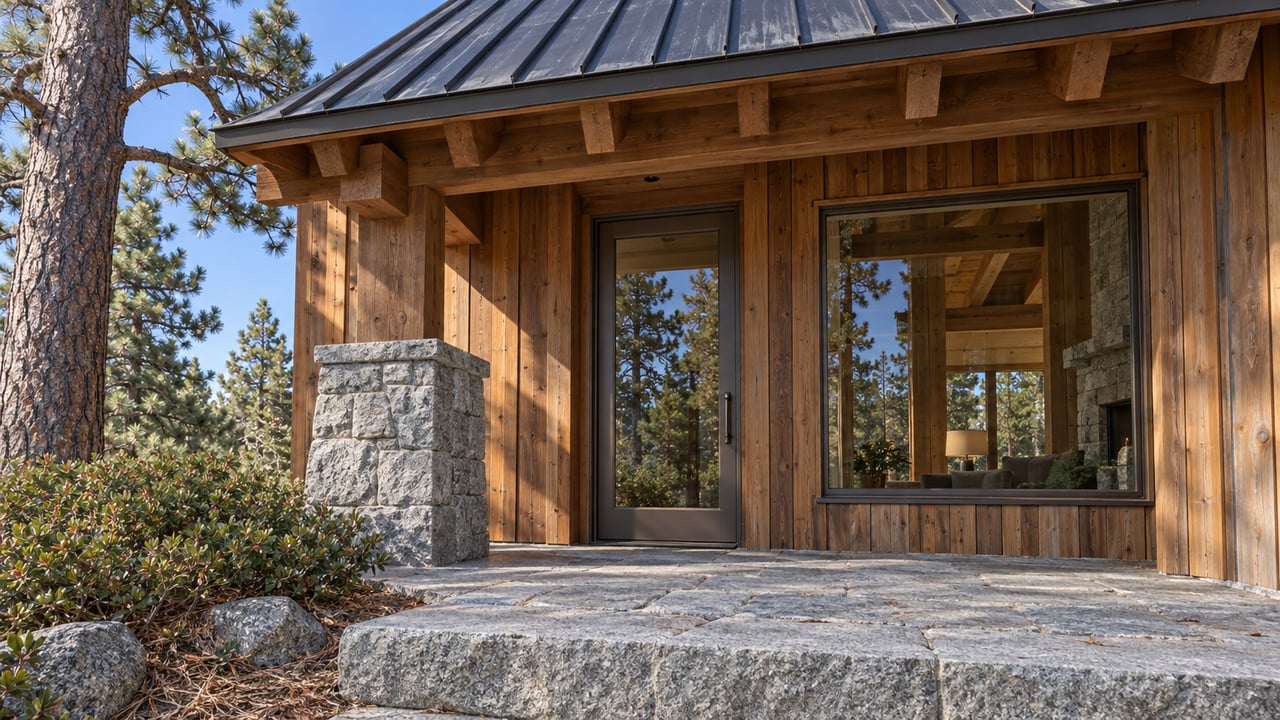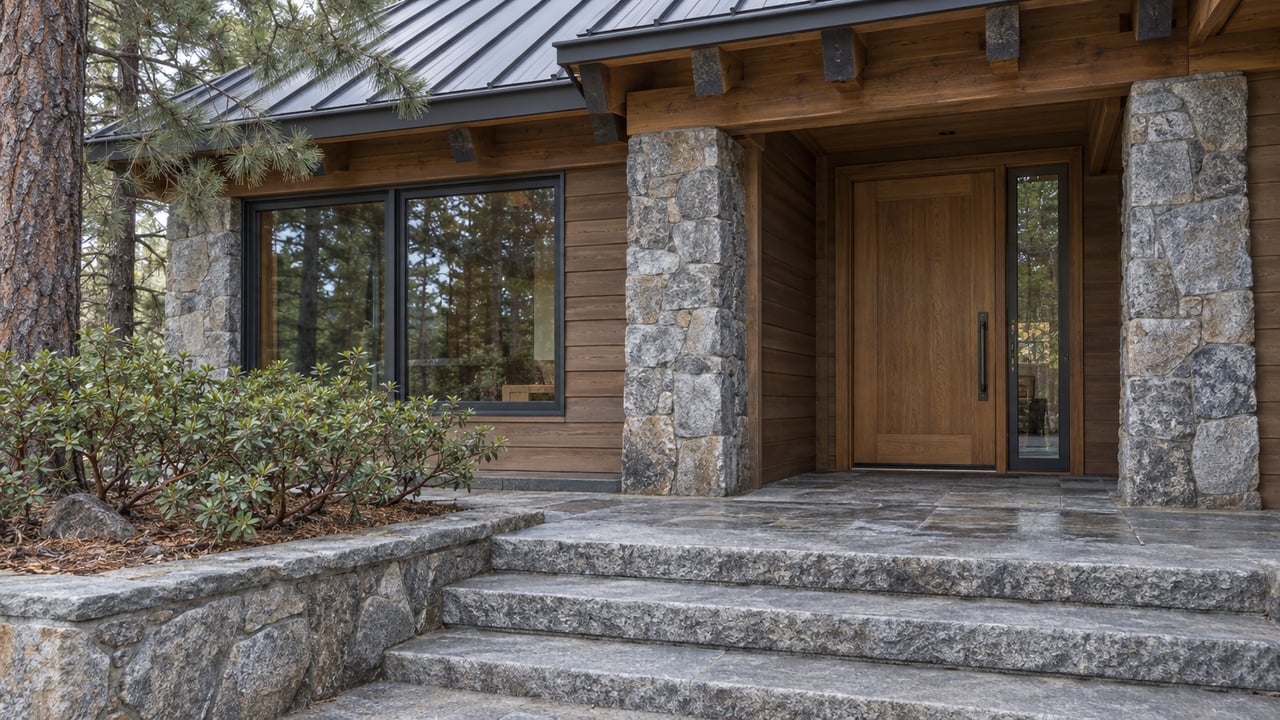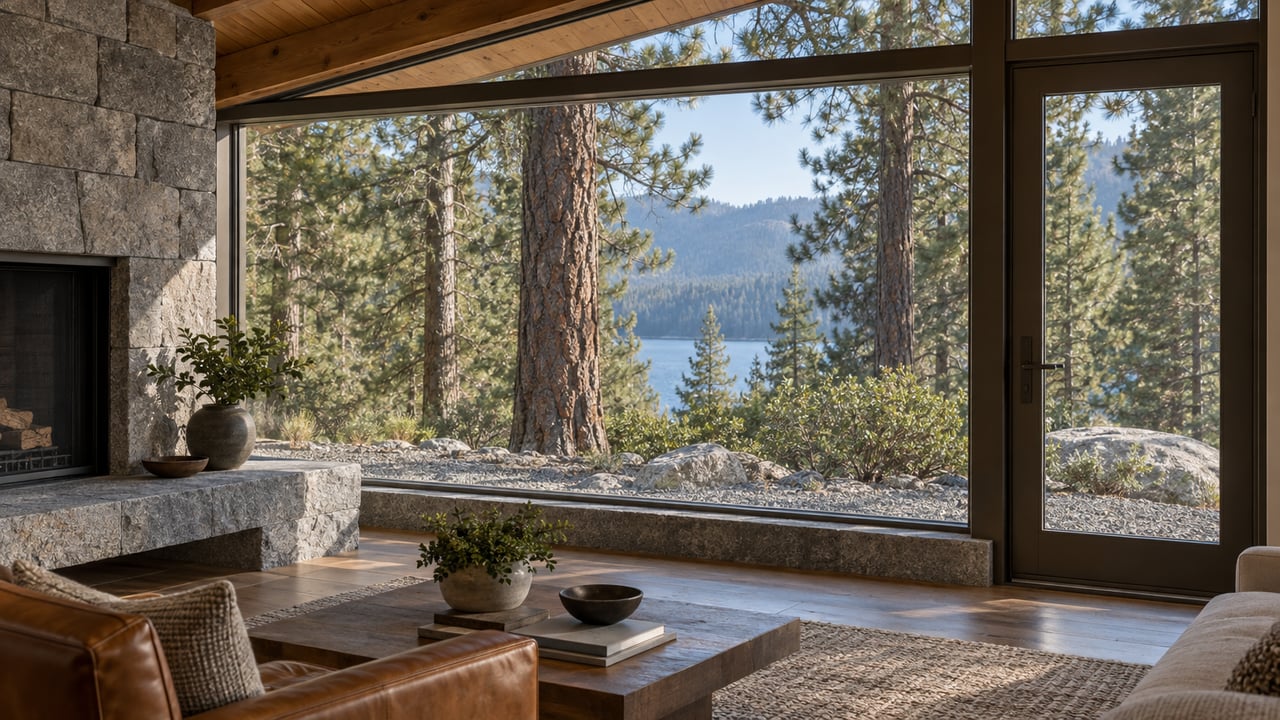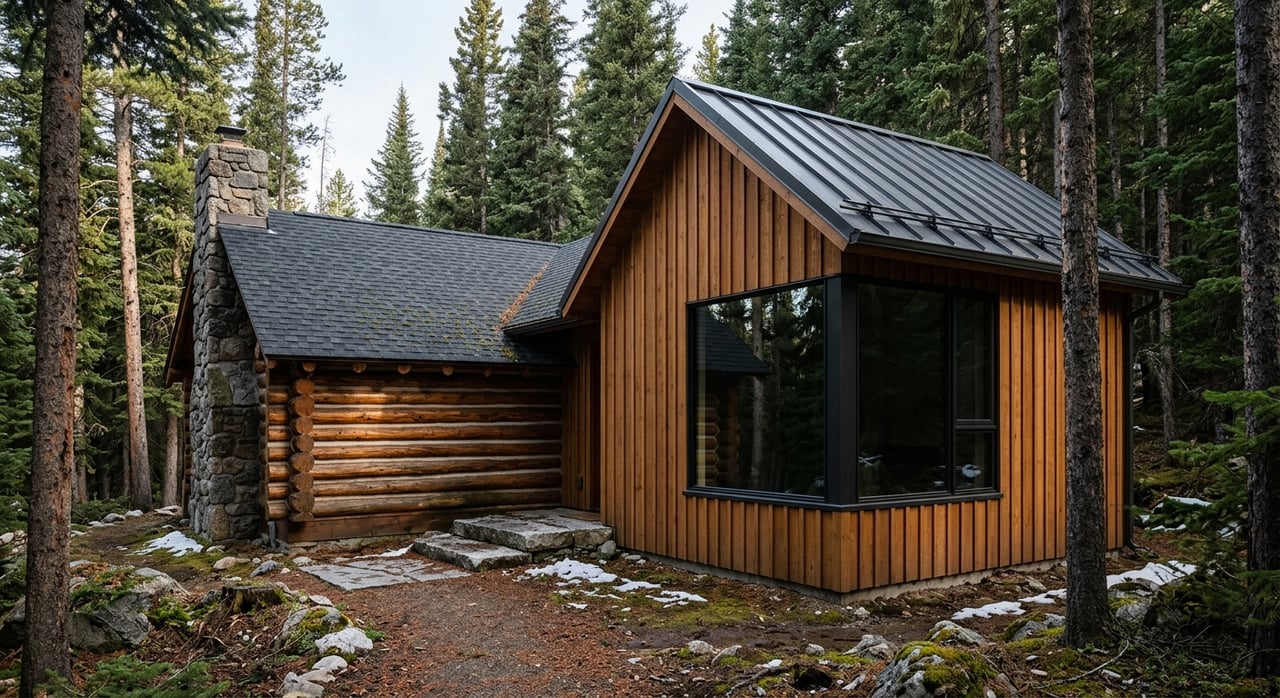
Trying to choose between a classic Tahoe cabin and a newer home on the West Shore? In Homewood and Tahoma, that decision is rarely just about style. You are also weighing maintenance, permitting, rental goals, and the long-term potential of a very limited housing market. If you are comparing the charm of Old Tahoe with the ease of a more modern build, this guide will help you think through the tradeoffs clearly. Let’s dive in.
Why This Choice Matters in Homewood and Tahoma
Homewood and Tahoma are often searched and shopped as one West Shore corridor, even though parcel-level rules can change depending on location. That matters because Tahoma spans both Placer and El Dorado counties, and a property’s exact jurisdiction can affect permit rules, fees, and housing regulations.
From a market perspective, this is still a highly seasonal second-home area. Placer County reports that roughly two-thirds of North Lake Tahoe housing inventory is used as second homes or vacation rentals, and area plan materials say more than half of North Lake Tahoe residences are seasonal, recreational, or occasional-use.
This also helps explain why inventory feels tight. Current market snapshots show only a small number of homes for sale in both communities, with Homewood at a higher average value than Tahoma in Zillow’s directional index. In simple terms, you are choosing within a constrained market where each property tends to be unique.
Why Cabin Charm Still Wins Buyers
For many buyers, a legacy cabin offers something a newer home cannot easily replicate. You get established lots, smaller-scale design, and the familiar look and feel of classic Tahoe architecture that many people picture when they imagine a West Shore retreat.
There is also an emotional side to the appeal. A cabin can feel like a piece of Old Tahoe, with the kind of character that supports family traditions and a long-term hold. In a corridor known for legacy ownership and seasonal use, that identity carries real weight.
Active listings in both Tahoma and Homewood support this pattern. The available homes include rustic and cabin-style properties, which suggests that the older product type still defines much of the local housing stock.
What to Watch With Older Cabins
Charm is real, but so is the upkeep. Tahoe’s older development dates back in many cases to the 1950s and 1960s, and TRPA notes that older development is often a significant source of water pollution.
For you as a buyer, that usually means a cabin may come with more stewardship. Older homes are more likely to have deferred maintenance, aging systems, and less flexibility if you want to expand or significantly rework the structure.
That does not mean a cabin is the wrong choice. It means you should view a legacy home as both a lifestyle purchase and a property that may need more thoughtful planning over time.
Why New Builds Appeal to Today’s Buyers
A newer home usually offers a more predictable ownership experience. You may find more modern layouts, updated systems, and a design that better fits current preferences for indoor-outdoor living and easier day-to-day use.
For second-home buyers especially, predictability matters. If you want to spend more time enjoying Tahoe and less time managing near-term repairs, a newer build or major rebuild can be attractive.
In this corridor, though, new construction is not typically a large-scale subdivision story. Current listing patterns suggest it appears more often as custom homes, isolated rebuilds, or infill opportunities rather than broad neighborhood expansion.
Why Building New Takes More Patience
On the West Shore, building new is not simply a design decision. It is also a regulatory process shaped by TRPA and county rules.
TRPA says a residential development right is needed to build a home, condo, or multifamily unit in the basin. Placer County also states that grading and digging in North Lake Tahoe is generally limited to May 1 through October 15, with additional grading requirements for sensitive lands and new structures on undisturbed lots.
In practice, that means a new-build path often requires more time upfront. You may need to sort through development rights, land coverage, site verification, and multiple layers of review before construction can move forward.
Cabin or New Build: The Real Tradeoff
The decision often comes down to what you value most.
Choose a cabin if you want:
- A classic Tahoe look and feel
- A property with established character
- Faster enjoyment of an existing home
- A legacy-style second home with long-term emotional appeal
Choose a new build or major rebuild if you want:
- More modern systems and layout
- Fewer near-term maintenance surprises
- A cleaner runway for part-time ownership
- A home designed around current lifestyle preferences
Neither path is automatically better. In Homewood and Tahoma, the stronger choice is usually the one that fits the parcel, your timeline, and how you plan to use the property.
Why the Parcel Matters as Much as the House
In Tahoe, the lot is part of the investment story. A home may look appealing today, but the parcel determines much of what you can do tomorrow.
That is especially important if you are thinking about future expansion, redevelopment, or adding an accessory dwelling unit. TRPA allows up to two ADUs on California residential parcels, but eligibility still depends on coverage and development-rights rules, and parcels with land capability ratings of 1 through 3 are limited to deed-restricted ADUs.
This is one reason parcel-by-parcel analysis matters so much in Tahoma and Homewood. Two properties may look similar at first glance, while offering very different future flexibility.
Rental Goals Can Change the Equation
If rental income is part of your plan, style alone should not drive the decision. Local rules can matter just as much as whether you prefer a cabin or a newer home.
In Placer County, short-term rentals are defined as rentals of 30 days or less. The county requires an STR permit, a TOT certificate, interior and exterior fire inspections, and a local contact within 35 driving miles.
Placer County also states that the STR cap is 3,900 permits. Once that cap is reached, a 30-night minimum rental requirement applies, excluding owner-occupied STRs.
For buyers looking in Tahoma, county line details are especially important because the community spans jurisdictions. Before you assume a rental strategy will work, it is smart to confirm which county the property sits in and what rules apply there.
Resale in a Scarce West Shore Market
Both cabins and newer homes can have strong resale appeal here, but often for different reasons. Legacy cabins tend to attract buyers who want Tahoe character and are comfortable with older-home ownership, while newer homes tend to appeal to buyers seeking a more turn-key experience.
The broader market backdrop supports both paths. Supply is constrained, redevelopment is environmentally guided, and much of the housing stock is tied to seasonal or second-home use rather than conventional year-round subdivision growth.
That means resale often comes back to use case. The best fit may be the home that most clearly supports your intended purpose, whether that is a family retreat, an STR-compliant investment strategy, or a long-term legacy hold.
A Smart Way to Compare Homes
If you are touring cabins and newer homes in Homewood and Tahoma, it helps to compare them through the same lens.
Ask these questions early:
- Which county and jurisdiction is the property in?
- Is this home best suited for immediate use, renovation, or redevelopment?
- What do the parcel and coverage rules suggest about future changes?
- If rental use matters, what local permits or restrictions apply?
- Does the home match your timeline, budget, and maintenance tolerance?
Those questions can quickly bring clarity. In this corridor, the right answer is rarely just about finishes or curb appeal.
Whether you are drawn to the warmth of a classic cabin or the ease of a newer home, the smartest move is to evaluate each opportunity in the context of Tahoe’s limited inventory, local rules, and long-term ownership goals. If you want experienced guidance on comparing West Shore properties parcel by parcel, The Moore Team can help you navigate the details with the local insight and hands-on service this market demands.
FAQs
Should I buy a cabin or a new build in Tahoma?
- If you value classic Tahoe character and immediate use, a cabin may fit better. If you want more modern systems and fewer near-term repairs, a newer home or rebuild may be the stronger option.
What makes Homewood and Tahoma different for buyers?
- They are often treated as one West Shore market, but Tahoma spans county lines, so permit rules, fees, and some housing regulations can vary by property location.
Are new homes common in Homewood and Tahoma?
- New construction exists, but current market patterns suggest it appears more often as custom homes, rebuilds, or infill opportunities rather than large new subdivisions.
What should I know about short-term rentals in Placer County Tahoma?
- Placer County requires an STR permit, a TOT certificate, fire inspections, and a local contact within 35 driving miles, and the county also has an STR permit cap.
Can a Tahoma or Homewood property support an ADU?
- Some parcels may, but TRPA rules apply. ADU potential depends on coverage, development rights, and parcel characteristics, so it should be reviewed property by property.
Why does parcel analysis matter so much in West Shore Tahoe?
- Because future use can depend on county jurisdiction, TRPA development rights, land coverage, and other site-specific constraints, not just the house itself.