What makes one Lake Tahoe lakefront home feel unforgettable while another simply feels expensive? At the top of this market, the difference usually is not just the house itself. It is the site, the shoreline, the privacy, and the certainty that the property’s water access and rights are as strong as they appear. If you are buying, selling, or simply trying to understand the upper end of Tahoe lakefront, this guide will help you see what truly defines a trophy property. Let’s dive in.
Trophy starts with the site
In Lake Tahoe, “trophy” is best understood as a site-quality label, not a size label. Appraisal guidance for waterfront property points to water access and views as core drivers of value, and California’s Assessors’ Handbook notes that frontage can be a primary determinant of value.
That means a larger home does not automatically qualify as a true trophy property. If the shoreline is awkward, the water access is limited, or the view corridor is compromised, the property may still be luxurious, but it may sit below the top tier.
Usable frontage matters most
Not all frontage carries the same weight. A property can show impressive shoreline dimensions on paper, but what matters more is whether that frontage is actually usable.
In practical terms, strong frontage often means a cleaner relationship to the lake, easier enjoyment of the shoreline, and better support for a dock or buoy strategy. More linear waterfront can increase value, especially when it contributes to meaningful lake access rather than just scenic appeal.
Measured frontage vs real utility
This is where many buyers and sellers misread the market. A dramatic home on the water can attract attention, but if the frontage does not support convenient boating access or easy lakeside use, it may not command the same premium as a more functional parcel.
For trophy-level pricing, utility matters. The best sites combine beauty with a shoreline you can genuinely use and enjoy.
Views are part of the premium
Waterfront buyers are often paying for access and views first. Square footage, finishes, and amenities still matter, but they usually come after the site’s visual connection to the lake.
A true trophy parcel typically has an open and compelling view corridor. That view should feel natural, expansive, and closely tied to the setting rather than forced by the architecture alone.
Why orientation matters
Orientation can shape how a property lives day to day. The best homes frame the lake in a way that feels effortless from major living spaces, outdoor areas, and arrival points.
When the site and the home work together, the result feels rare. That is often what separates a memorable lakefront estate from a very nice house on the water.
Privacy helps define exclusivity
Privacy is another major piece of the trophy equation. In Tahoe, privacy often comes from the parcel’s separation, natural screening, and the way the home sits within the landscape.
Trees and shrubs can help screen adjacent properties, and wooded shoreland settings often feel more secluded. That sense of retreat is a meaningful part of what high-end buyers are seeking, especially in a low-turnover lakefront market.
Privacy is more than distance
A property does not need to feel isolated to feel private. Sometimes privacy comes from thoughtful siting, mature landscaping, and a shoreline setting that buffers the home from neighboring views.
For many buyers, this emotional quality matters just as much as measurable features. It supports the sense that the property is scarce, protected, and difficult to replicate.
Architecture should fit the setting
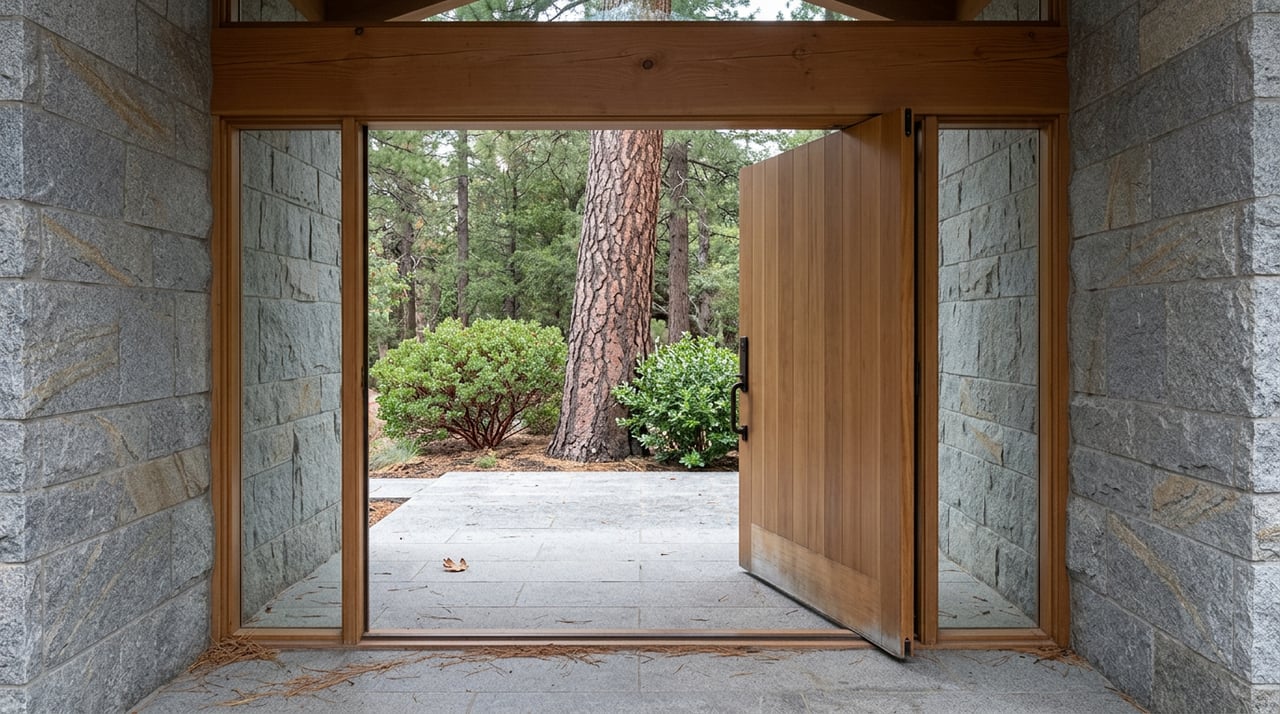
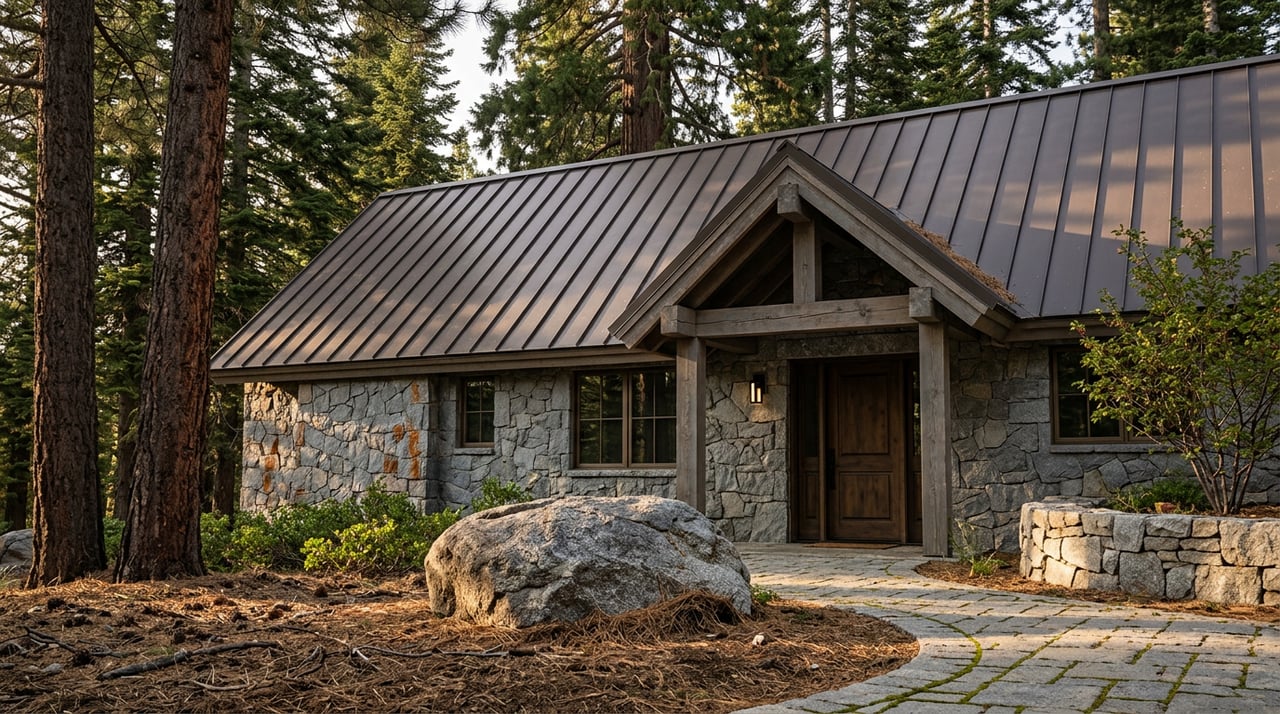
At this level, the house still matters a great deal, but mainly in how well it complements the land. Trophy homes tend to feel grounded in the site, not oversized or disconnected from it.
That idea is especially important at Tahoe, where scenic standards shape what can be built and how shoreline projects should appear. TRPA’s scenic standards require visible shoreline projects to blend with the natural environment.
The best homes do not fight the landscape
A well-designed Tahoe lakefront home usually works with the shoreline, trees, and view lines rather than competing with them. Architecture that respects the setting often holds value better because it feels timeless and appropriate to place.
This is one reason some older or less flashy estates still command enormous respect in the market. If the site is exceptional and the design sits comfortably within it, the property can carry a stronger trophy identity than a newer but less harmonious home.
Piers, buoys, and moorings change the value story
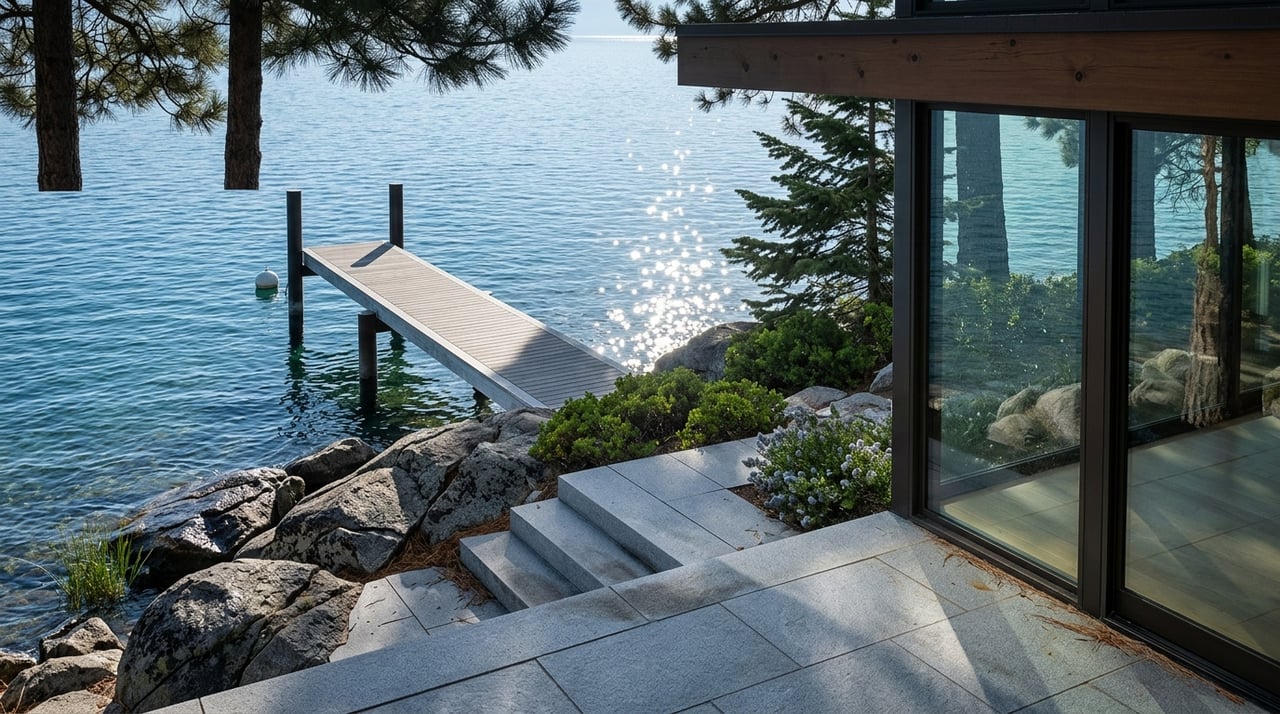
One of the biggest separators between luxury and true trophy lakefront is documented water access. On Lake Tahoe, shoreline improvements are tightly limited, and that scarcity can create a meaningful premium.
TRPA authorizes a limited number of private moorings, including buoys, boatlifts, and boat slips. A portion of the remaining pool is made available each year through a mooring lottery, and pier lottery and prioritization take place every two years on odd years.
Why documentation matters
A lakefront parcel without secure, documented water access is not the same as one with a permitted or transferable pier or buoy setup. The California State Lands Commission also treats docks, piers, and buoys as a distinct category of use, with lease terms that may run from several months to 49 years.
For buyers and sellers, that means the asset is not just the land and house. It is also the permit history, registration status, lease status, and the legal path to continued use of shoreline improvements.
Scarcity supports premium pricing
Because new shoreline allocations are limited and sometimes lottery-based, an existing pier or buoy setup can add scarcity value. A beautiful parcel with uncertain mooring rights may still be highly desirable, but it often does not trade like a fully documented trophy property.
This is one of the most important due diligence issues in the Tahoe lakefront market. Before paying or asking for a trophy premium, you want clarity on what rights exist and how secure they are.
Permit history is part of the asset
Lakefront value at Tahoe is tied closely to entitlement certainty. TRPA notes that many projects require both a TRPA environmental review permit and a separate county or city building permit.
That makes permit history more than a technical detail. It is part of the property’s value story and should be reviewed with the same care as the home’s design, condition, and location.
What buyers and sellers should verify
A strong trophy profile usually includes clear records for:
- Existing mooring registrations
- State lease status where applicable
- Prior shoreline permits and approvals
- Current compliance with applicable requirements
- Transferability or continued use of key improvements
When records are incomplete or unclear, the property may still be exceptional, but the uncertainty can affect pricing, negotiation, and buyer confidence.
North Shore and West Shore offer different trophy appeal
Lake Tahoe’s top lakefront is not all the same. The North Shore and West Shore both offer elite waterfront properties, but they tend to express prestige in different ways.
The North Shore is often associated with a quieter, laid-back atmosphere while also being somewhat closer to lodging, shopping, and activities. It is also known for its rocky granite boulder shoreline, which gives many properties a dramatic visual identity.
West Shore legacy appeal
The West Shore is often described through a different lens. It is closely associated with old-school charm, cozy hamlets, and estate-like settings that feel wooded, secluded, and deeply rooted in Tahoe history.
That legacy feel is reinforced by landmarks such as Ed Z’berg Sugar Pine Point State Park and Emerald Bay State Park. These settings reflect a long tradition of Tahoe summer homes, enduring architecture, and shoreline character that many buyers find hard to replace.
Neither is better, but they are different
For some buyers, trophy means privacy, forested edges, and a generational estate feel. For others, it means a striking shoreline, strong visual drama, and easier access to services and activities.
That is why local context matters so much. A trophy property should always be evaluated within its own shoreline setting and micro-market, not against a one-size-fits-all standard.
A simple trophy spectrum
If you are trying to assess where a property sits, it helps to think in terms of a spectrum rather than a yes-or-no label.
Full trophy
A full trophy property usually combines:
- Strong usable frontage
- A documented path to pier or buoy use
- Meaningful privacy
- Scenic compatibility
- Architecture that complements the site
Near trophy
A near-trophy property may have an exceptional location and a strong home, but one important weakness holds it back. That weakness might be limited water access, less privacy, or unclear entitlement status.
Premium but not trophy
A premium property can still be beautiful, valuable, and highly desirable. It may simply have limited shoreline utility or a more complicated access story that places it below the top tier.
What this means if you are selling
If you own a Lake Tahoe lakefront property, the right pricing strategy starts with an honest read of the site. The market tends to reward frontage, privacy, scenic harmony, and documented access more than sheer house size.
That is especially true in low-turnover enclaves, where buyers are often comparing not just homes but legacy-quality parcels. A seller who understands the strength of the shoreline asset, and can document it clearly, is in a much better position to defend premium pricing.
What this means if you are buying
If you are shopping for a top-tier Tahoe property, it helps to look beyond finishes and first impressions. A home can photograph beautifully and still fall short of true trophy status if the water access is weak or the entitlement story is uncertain.
The key is to verify the pieces that are hardest to replace. Shoreline utility, mooring rights, privacy, and permit history often tell you more about long-term value than the newest kitchen or the largest great room.
A true trophy Lake Tahoe lakefront property is more than a beautiful house on the water. It is a rare bundle of usable frontage, strong views, privacy, thoughtful architecture, and documented shoreline rights that support the lifestyle buyers are actually paying for. If you want help evaluating a lakefront opportunity or positioning a legacy property for the market, The Moore Team offers boutique guidance shaped by deep North Shore and West Shore expertise.
FAQs
What defines a trophy lakefront property on Lake Tahoe?
- A trophy Lake Tahoe lakefront property usually combines usable frontage, strong lake views, privacy, architecture that suits the site, and documented water-access rights such as a pier or buoy path.
Why is usable shoreline important for Lake Tahoe lakefront value?
- Usable shoreline matters because value is tied not just to the amount of frontage on paper, but to how well that frontage supports access, enjoyment, and potential boating use.
How do piers and buoys affect Lake Tahoe trophy pricing?
- Piers and buoys can create a scarcity premium because shoreline improvements are tightly limited, and existing permitted or transferable access can make a property materially more valuable.
What should buyers verify before paying a trophy premium at Lake Tahoe?
- Buyers should verify permit history, mooring registration, lease status where applicable, and the legal status of shoreline improvements before treating a property as full trophy.
How do North Shore and West Shore trophy properties differ at Lake Tahoe?
- North Shore trophy properties often carry a rocky shoreline and somewhat easier access to services and activities, while West Shore trophy properties are often valued for wooded seclusion, estate character, and legacy appeal.
Can a luxury Lake Tahoe home be valuable without being a trophy property?
- Yes. A home can be highly valuable and still fall short of trophy status if it lacks strong shoreline utility, clear water-access rights, privacy, or other site-driven features that define the top tier.