Thinking about renting your Truckee home for a few weekends or using rental income to offset ownership costs? You’re not alone. Many buyers and second‑home owners weigh personal use with short‑term rental potential. The good news is you can set up a compliant, guest‑ready rental if you follow a clear process. This guide walks you through Truckee’s rules, permits, taxes, planning tips, and seasonality so you can make confident decisions. Let’s dive in.
Truckee STR rules: what to know first
Truckee is an incorporated Town in Nevada County, California. The Town sets the program for short‑term rentals, and your HOA rules may add more limits. Before you list, confirm local requirements, register with the Town if applicable, and make sure your property type and zoning allow short‑term stays. The first and biggest fact that can surprise most homeowners is that currently Truckee has a minimum 365-day waitlist for entering the current waitlist.
Permits, taxes, and local contact
- Registration or a permit is required, and you must display the number in your listings. Start with the Town’s main portal at the Town of Truckee.
- Transient Occupancy Tax (TOT) applies to paid short stays. Platforms sometimes remit, but you are responsible for compliance. The Town’s Finance pages outline how to register and file.
- Some owners need a business license. Check the Town’s site for current business license steps.
- You must provide a local 24/7 responsible contact to handle guest issues and neighbor complaints.
Zoning, occupancy, and posting
- Zoning in Truckee restricts how many people can occupy the home. Review the Town’s municipal guidance and your parcel’s eligibility.
- Post required information inside the home. Common items include your permit number, emergency contacts, evacuation procedures, parking instructions, quiet hours, and trash rules.
- Safety items such as smoke and carbon monoxide detectors, fire extinguishers, and clear egress information are standard expectations.
HOA rules and enforcement
- HOA covenants can limit or prohibit short‑term rentals even if the Town allows them. Always review CC&Rs before you apply.
- Enforcement is typically complaint‑driven. Fines for noncompliance and possible suspension or revocation can apply if you rent without registering, ignore TOT requirements, or violate posted rules.
Get permitted and compliant: step‑by‑step
Follow this practical sequence before you publish a listing or accept bookings.
- Confirm eligibility
- Verify your property’s eligibility on Town pages and confirm zoning allows your intended use. Start at the Town of Truckee and navigate to Planning and Finance.
- Review your HOA’s CC&Rs for any rental limits, additional permits, or insurance requirements.
- Review the application materials
- Obtain the STR registration or permit checklist and forms from the Town site. Read the municipal guidance to understand fees, inspections, and renewal timing.
- Prepare safety and guest materials
- Install and test smoke and CO detectors. Create a simple house manual with emergency contacts, evacuation routes, wildfire readiness tips, parking instructions, trash collection, and quiet hours.
- Post your permit or registration number where required, and add it to all listings once issued.
- Register for taxes and business license
- Register for Transient Occupancy Tax and understand filing cadence. Check whether your booking platform remits on your behalf and how you must report it.
- If a Town business license is required for your setup, apply at the same time you prepare your STR registration.
- For state tax guidance that may apply to lodging or sales‑related questions, review the California Department of Tax and Fee Administration.
- Designate your local contact and management plan
- Identify a 24/7 local contact who can answer calls, respond to guest issues, and address noise, parking, or safety concerns.
- Create a plan for rapid resolutions, including contractor contacts and turnover logistics.
- Submit your application and documents
- Common items include proof of ownership, a site or parking plan, insurance evidence, safety checklists, and fee payment.
- Some programs require inspections before final approval. Build a small buffer into your timeline.
- Wait for approval
- Processing time varies. Avoid listing the property until the Town confirms your registration or permit.
- Maintain ongoing compliance
- Renew annually if required. File and remit TOT on time, uphold occupancy limits, and resolve any complaints quickly.
Plan your property for guest success
Solid planning reduces headaches, protects relationships with neighbors, and supports better reviews and revenue.
Parking and snow readiness
- Off‑street parking is a big factor in winter. Map out parking spots, post clear diagrams, and set capacity limits that match your plan.
- Hire a reliable snow removal vendor. Ensure plow access and communicate storm protocols to guests.
- Outline how guests should manage ski gear, wet boots, and ice buildup. A mudroom and boot dryers can improve the experience.
Wildfire and emergency readiness
- Prepare a simple evacuation plan, share local alert signup details, and post routes in your house manual. For defensible space and readiness tips, review the Truckee Fire Protection District.
- Keep emergency numbers visible and advise guests to monitor weather and road conditions.
Guest‑friendly features that matter
- Reliable high‑speed Wi‑Fi, smart TVs, and workspace nooks appeal to families and remote workers.
- Flexible sleeping arrangements, durable finishes, and easy‑to‑clean textiles help with turnovers.
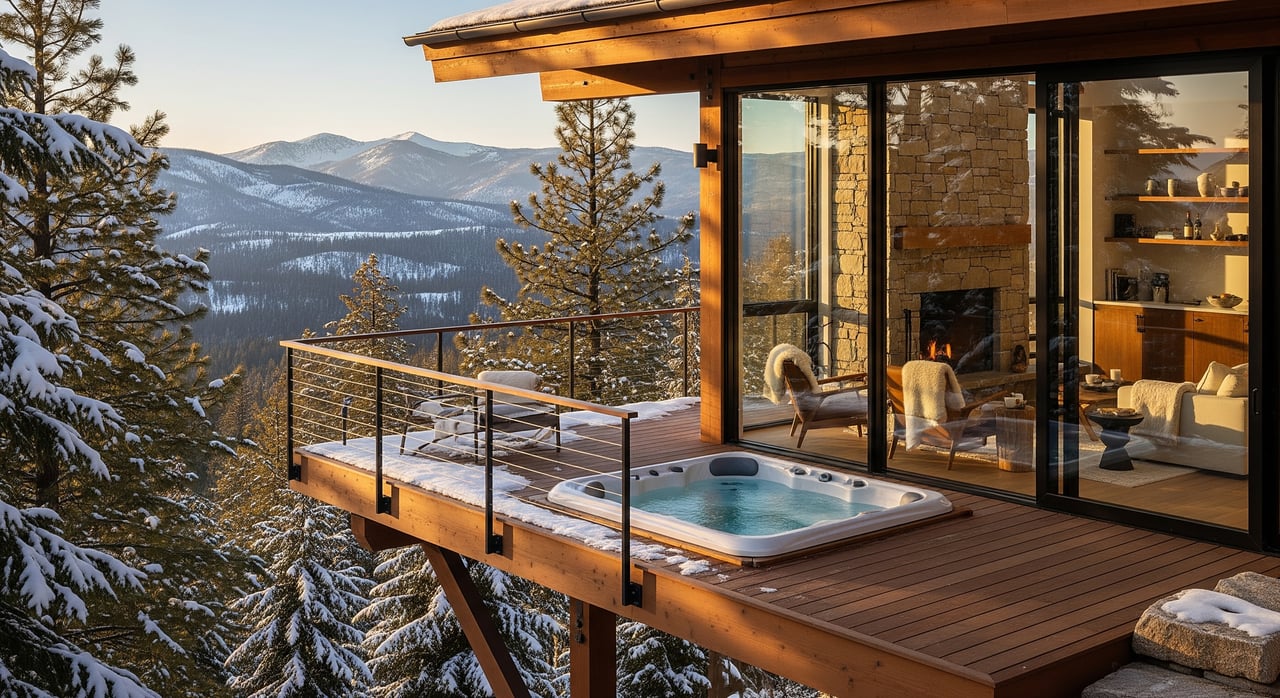
- Amenities such as hot tubs may boost occupancy and ADR. Confirm rules with your HOA, insurer, and the Town before you install or advertise.
Insurance, lending, and taxes
- Standard homeowner policies often exclude short‑term rentals. Consult your insurer and obtain coverage designed for STRs.
- Some lenders require disclosure of rental use. If you plan to finance or refinance, ask your loan officer how rental income is treated.
- For property tax questions or county interactions, start with Nevada County resources. For state tax guidance, use the California Department of Tax and Fee Administration.
Seasonality and pricing in Truckee
Truckee is seasonal, and your pricing and calendar should reflect that pattern.
- Winter high season: Thanksgiving through March is driven by ski demand and holiday weeks. This is often the biggest revenue window.
- Summer strength: June through September brings lake time, hiking, mountain biking, and events. Families and wedding groups often plan far in advance.
- Shoulder months: Spring and late fall are typically softer. Expect lower occupancy and discounted nightly rates.
Pricing tips:
- Use dynamic pricing tied to resort calendars, holidays, and local events. Set minimum stays during peak weeks to reduce wear and tear.
- If personal use matters, block key dates early. Balance your own plans with revenue windows such as holiday weeks and peak snow periods.
- Build a conservative pro forma that includes management fees, utilities, snow removal, insurance, maintenance, capital replacements, and taxes.
Operations: self‑manage or hire local help
You can self‑manage if you live nearby or have time to coordinate vendors and respond quickly. This approach can save fees but requires 24/7 availability, strong processes, and reliable local support.
A local property manager can handle guest communications, turnovers, emergency calls, vendor management, and the local contact requirement. Expect management fees that reflect the resort market. Many owners choose this route to maintain response standards and protect reviews.
Either way, set clear house rules, share check‑in and parking details, and prepare a simple escalation plan for noise, trash, and damage issues.
Smart next steps for buyers and owners
- If you are buying, ask the seller for any STR records: permits or registration history, TOT filings, occupancy data, and current HOA rules.
- Verify your property’s eligibility, then complete the Town’s registration, tax setup, and business license steps via the Town of Truckee.
- Build your operations plan: designate a 24/7 local contact, choose self‑management or a local manager, line up cleaning and snow removal, and finalize your house manual.
- Prepare for emergencies: adopt defensible‑space practices and evacuation info from the Truckee Fire Protection District. Keep contact details posted and current.
Start a conversation with a local advisor
When you balance personal use with rental potential, the right property choice and a clean setup plan make all the difference. If you want help evaluating Truckee neighborhoods, understanding HOA dynamics, or vetting a property’s STR potential during your search, connect with The Moore Team for local guidance tailored to your goals.
FAQs
What is the first step to short‑term rent my Truckee home?
- Confirm eligibility by reviewing Town of Truckee guidance, your property’s zoning, and your HOA’s CC&Rs, then gather the STR application materials and safety checklist.
Do platforms remit Transient Occupancy Tax (TOT) for Truckee?
- Some platforms may remit, but you are responsible for compliance; register for TOT, confirm remittance details, and file as required with the Town’s Finance Department.
How long does STR registration or permitting take in Truckee?
- Processing times vary, but at the time of writing this post there is a 365-day waitlist minimum; prepare documents in advance and expect a timeline that can range from months to possibly even years, with inspections possible before approval.
Do I need a local 24/7 contact for my rental?
- Yes, you must designate a local responsible contact to handle guest issues and neighbor complaints and to respond quickly to noise, parking, or safety concerns.
What issues most often trigger enforcement in Truckee?
- Common triggers include unregistered listings, failure to remit TOT, excessive noise, parking overflow, trash problems, and safety violations.
How should I plan for winter access and parking?
- Hire a reliable snow removal vendor, map and post parking limits, share storm protocols with guests, and provide gear storage to reduce mess and safety issues. Street parking is not permitted at STR's in Truckee, so make sure your listing accurately states how many off-street spots you are providing.
Can my HOA restrict short‑term rentals even if the Town allows them?
- Yes, HOA covenants can prohibit or limit STRs or require additional steps; always confirm CC&Rs before you apply or buy.
What insurance do I need for a Truckee short‑term rental?
- Ask your insurer for short‑term rental coverage since standard homeowner policies may exclude STR use; verify requirements with your HOA and property manager if applicable.