Wondering whether a townhome or condo near Palisades Tahoe makes more sense for your lifestyle? It is a smart question, especially in Olympic Valley, where ownership can look simple from the outside but work very differently once you dig into parking, storage, HOA rules, and rental options. If you are weighing a ski-close purchase for personal use, part-time rental income, or both, this guide will help you compare the tradeoffs that matter most. Let’s dive in.
Start With Ownership, Not Appearance
In California, a condominium is a legal form of ownership. That usually means you own a separate interest in your unit plus an undivided interest in common areas.
A townhome, on the other hand, is not a separate legal subdivision type under California law. It is more of an architectural description, which means a townhome-style property near Palisades Tahoe could still be legally structured as a condominium or as a planned development.
That is why the recorded CC&Rs, bylaws, and deeded rights matter more than the exterior look. Those documents help determine what you actually own, what is considered common area, and who is responsible for things like exterior maintenance, parking, patios, balconies, or driveways.
Why This Matters in Olympic Valley
Near Palisades Tahoe, ownership can be more layered than buyers expect. The Village at Palisades Tahoe Specific Plan includes resort residential uses such as hotel, condominium-hotel, and fractional ownership units, which shows how ski-base ownership can blur the line between residential use and hospitality-style operation.
In practical terms, that means your decision is often less about the label and more about the experience you want. Some properties feel more like a lock-and-leave resort condo, while others offer a more residential townhome-style setup with greater day-to-day independence.
Condo Living Near Palisades Tahoe
A local condo example is Palisades Tahoe Lodge, which includes 218 individually owned condominiums with ski-in/ski-out access and on-site rental management. That setup can appeal to buyers who want convenience and a more turnkey ownership model.
For some owners, that kind of structure is a major advantage. The Lodge states that its rental program handles required permitting steps like the Transient Occupancy Tax certificate and the Placer County short-term rental permit, and it provides monthly statements to owners.
But convenience can come with tighter rules. The Lodge also requires specific furnishing and insurance standards, limits personal items to an owner’s closet, and does not recommend varying from standard furnishings and décor.
If you picture keeping lots of skis, bikes, boots, and personal gear on-site, that kind of condo model may feel more restrictive than expected. It can work well for buyers who prioritize ease and rental support, but less well for those who want a more personalized mountain base.
Townhome-Style Ownership in Olympic Valley
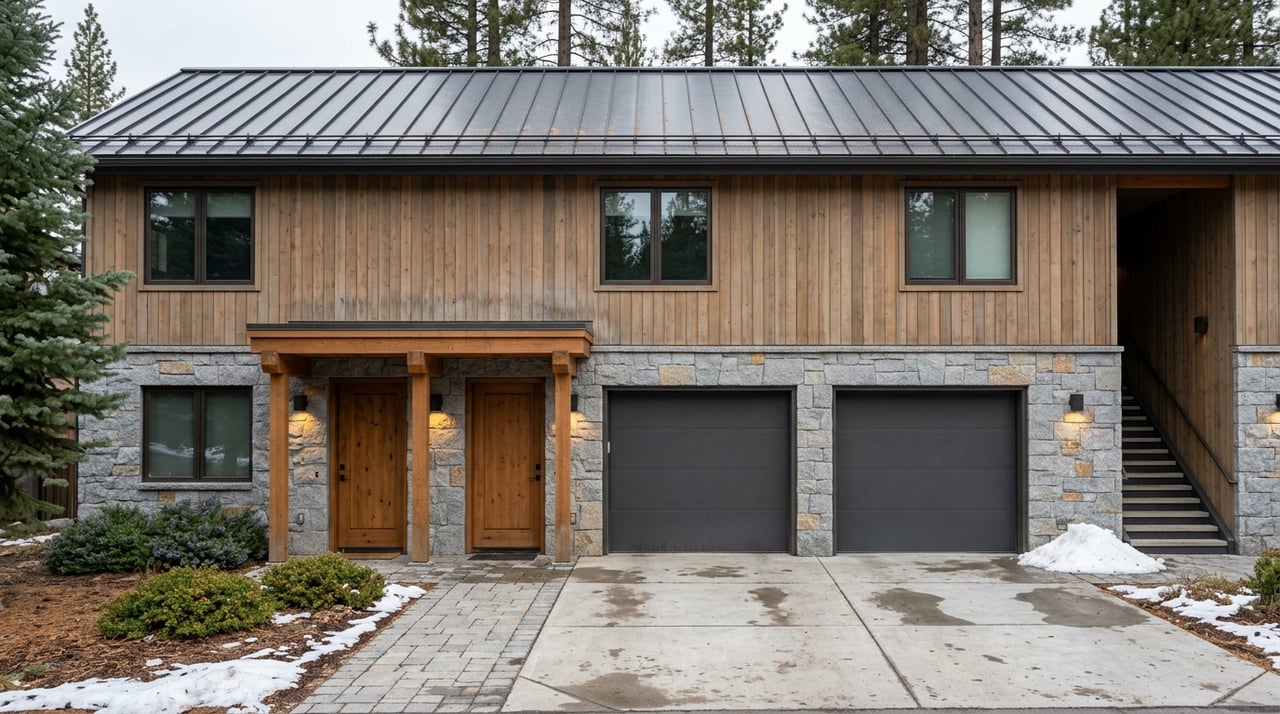
A townhome-style example in Olympic Valley is Valley View Townhomes. Its HOA says it handles common and restricted common areas such as siding, roofs, decks, foundations, parking lots, landscaping, trash removal, and fire suppression systems.
At the same time, unit owners are responsible for the interior and for items such as plumbing, electrical, heating, and windows. That split can create a more residential feel, but it also means you need to understand where HOA responsibility ends and your responsibility begins.
For many buyers, this type of setup offers a different rhythm of ownership. You may get more practical living space and potentially more flexibility for everyday mountain use, but you also need to be comfortable with owner-facing maintenance and HOA approval processes for exterior work.
Parking Can Be the Deal Breaker
In Olympic Valley and Alpine Meadows, parking is not a small detail. It can be one of the biggest quality-of-life factors in your purchase.
Placer County prohibits parking along county-maintained roads east of Emigrant Gap, including Olympic Valley and Alpine Meadows, from November 1 through May 1 due to snowplow operations. That means you should not assume street parking will solve overflow needs during winter.
Resort parking adds another layer. Palisades Tahoe uses a parking reservation system on weekends and holiday periods, and the resort notes that if you do not have a reservation, you may not have a space.
This is where an assigned stall, garage, or dependable on-site parking can become far more valuable than it first appears. A property that looks comparable on paper may live very differently in winter if one unit has secure parking and the other depends on limited guest or overflow options.
Local Parking Rules to Watch
The HOA rules can be just as important as county and resort rules. For example:
- Palisades Village owners and third-party rental owners receive one condo permit
- Additional vehicle permits may be limited and subject to blackout dates
- Village owners do not receive special access to resort surface lots when the reservation system is in effect
- Valley View limits parking to two spaces per unit per day
- In Bear Creek, guests are asked to park only in garages, carports, or designated spaces
- Bear Creek also limits open parking for boats, trailers, RVs, or commercial vehicles for more than seven days in a calendar year
If your household regularly travels with multiple cars, visitors, or extra gear, these details deserve close attention before you buy.
Storage and Gear Flexibility
Storage often separates condo buyers from townhome buyers in ski markets. A resort-oriented condo may be efficient and easy to lock up, but it may also offer less room for personal equipment and fewer options for how you use the space.
At Palisades Tahoe Lodge, management says personal items are generally limited to an owner’s closet for units in the rental program. That reinforces how some condo communities are designed for consistency and hospitality-style turnover rather than flexible, gear-heavy ownership.
By contrast, a townhome-style property may better suit buyers who want a garage-like area, more utility space, or a less standardized setup. Still, more storage does not mean no rules, especially in mountain communities where trash handling, exterior appearance, and vehicle placement are closely managed.
Winter Ownership Is More Hands-On Than Many Buyers Expect
Even with an HOA, mountain ownership still comes with day-to-day responsibilities. This is especially true in communities where winter weather, wildfire awareness, and wildlife management shape everyday routines.
In Alpine Meadows, the Bear Creek Association notes that the valley has three associations and that a valley-wide planning committee reviews construction and exterior changes. Bear Creek also describes the area as a FireWise community and emphasizes defensible space, curbside chipping, and other fire-safety practices.
Its guest and resident guidance also highlights practical issues like using bear-proof trash containers, avoiding overnight trash, keeping vehicles visible for plowing, displaying address numbers, and keeping snow and ice clear around propane regulators. These are not small operational details. They are part of how ownership works in this environment.
Short-Term Rental Potential Depends on More Than Demand
If rental income is part of your plan, you need to evaluate both county rules and HOA rules. In Placer County, short-term rentals are residential units rented for 30 days or fewer.
In eastern Placer County, owners need a Transient Occupancy Tax certificate, a short-term rental permit, and a business license. The county also states that operating or advertising a short-term rental without a permit is unlawful, and permits must be renewed annually.
For some areas, the process also includes a North Tahoe Fire District inspection, with a listed non-refundable interior fire life safety inspection fee of $507.02. That means your rental strategy should account for compliance steps, annual renewals, and inspection requirements from the start.
Local Taxes and Assessments Matter Too
Placer County states that the Eastern Slope TOT rate is 10%. The county also notes that additional North Lake Tahoe TBID and Olympic Valley/Alpine Meadows MTC assessments may apply.
The county says the Mountaineer Transit Fee helps fund free winter microtransit within Olympic Valley and Alpine Meadows and applies to transient lodging, including short-term rentals. If you are comparing rental performance between properties, these local layers can affect your net numbers.
Which Option Fits Your Goals?
The better choice usually comes down to how you plan to use the property. A condo may be the stronger fit if you want a more turnkey setup, on-site rental support, and a simpler lock-and-leave experience.
A townhome-style property may be the better fit if you want a more residential pattern of use, more storage flexibility, and a space that feels better suited to regular personal occupancy. The tradeoff is that you may take on more owner responsibility and face more hands-on logistics.
Here is a simple way to frame the decision:
| If you value... | A condo may fit better | A townhome-style property may fit better |
|---|---|---|
| Turnkey ownership | Yes | Sometimes |
| On-site rental structure | Often | Less common |
| Standardized furnishings and operations | More likely | Less likely |
| Storage flexibility | Less likely | More likely |
| Garage or utility-style space | Less likely | More likely |
| Residential day-to-day feel | Sometimes | More likely |
| Hands-off management | More likely | Less likely |
What to Review Before You Make an Offer
Before you move forward on any condo or townhome near Palisades Tahoe, ask for the documents that define ownership and use. In this market, those details often matter more than square footage or exterior style.
Focus on these questions:
- What is the legal ownership structure?
- What are the HOA dues and what do they cover?
- Who handles roofs, siding, decks, windows, and snow-related issues?
- What parking is deeded, assigned, or permitted?
- Are there guest parking limits or blackout periods?
- Is short-term rental use allowed by both the HOA and the county?
- Are there furnishing, insurance, or storage restrictions?
- What approvals are required for exterior changes?
A careful review upfront can help you avoid surprises after closing, especially in a resort market where rules are often more detailed than buyers expect.
If you are comparing ski-area condos, village residences, or townhome-style communities in Olympic Valley, working with a local team that understands the documents, the winter logistics, and the nuances of each micro-location can make the decision much clearer. When you are ready to talk through the tradeoffs, connect with The Moore Team for tailored guidance on Olympic Valley ownership.
FAQs
What does condo ownership near Palisades Tahoe usually include?
- In California, condo ownership generally means you own a separate interest in your unit plus an undivided interest in common areas, with details defined by the deed, CC&Rs, and bylaws.
What is a townhome in Olympic Valley real estate?
- In California, a townhome is typically an architectural description rather than a separate legal ownership type, so a townhome-style property may be structured as a condominium or a planned development.
What parking rules affect condos and townhomes in Olympic Valley?
- Winter road parking is restricted on county-maintained roads in Olympic Valley from November 1 through May 1, and many HOAs and resort properties also limit permits, guest parking, or the number of spaces per unit.
Can you short-term rent a condo or townhome in eastern Placer County?
- Yes, but only if the property allows it and you meet county requirements, which include a short-term rental permit, a Transient Occupancy Tax certificate, and a business license.
What storage limits should you expect in a resort condo near Palisades Tahoe?
- Some resort-style condo programs limit personal belongings and standardize furnishings, so you may have less flexibility for storing gear or customizing the space.
Who handles exterior maintenance in an Olympic Valley townhome community?
- It depends on the HOA documents, but local examples show that some HOAs cover items like roofs, siding, decks, and landscaping while owners remain responsible for interior systems and certain unit-specific components.